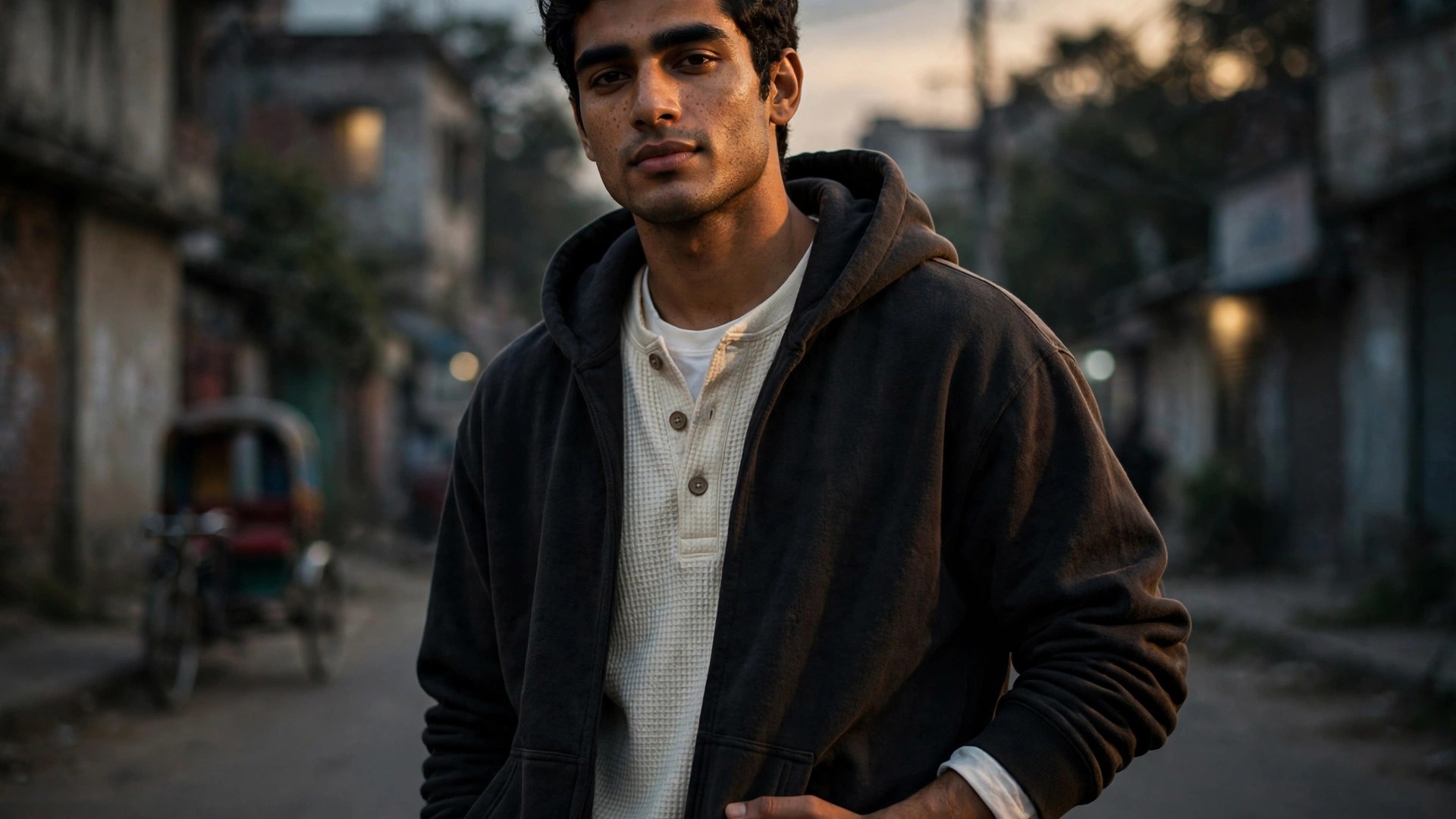
Men's Winter Layering in Bangladesh: Hoodies, Henleys and Tees
Men's winter layering in Bangladesh works best with three light layers: a breathable tee, a mid-layer like a Henley or hoodie, and an outer layer for cool evenings. SOFTYX builds its winter pieces for this climate, so you stay warm without feeling heavy. Start with the base, add warmth in the middle, and finish with a layer you can remove.
Key Facts at a Glance
- Bangladeshi winters are mild, so light layers beat one heavy coat.
- A breathable cotton tee works as the base layer on most winter days.
- A Henley or a 360 GSM hoodie adds warmth without bulk.
- You can remove a layer as the day warms up, which keeps you comfortable from morning to evening.
- Neutral colours like black, charcoal, grey and olive make mixing layers easy.
- Good layering uses fit, not thickness, because each layer should sit cleanly over the one below.
Men's winter layering in Bangladesh is less about fighting the cold and more about staying comfortable as the temperature shifts through the day. Mornings in Dhaka or Sylhet can feel cool enough for a hoodie, afternoons often warm up enough for a tee, and evenings cool down again. One thick jacket cannot handle all three changes, but layers can.
The idea is simple. You wear two or three light pieces that work together, and you add or remove one as the weather changes. A soft cotton tee sits close to the skin. A Henley or hoodie adds warmth in the middle. A shirt or light jacket finishes the look when the evening air turns chilly.
This guide shows you how to build those outfits step by step: which fabrics work, how many layers you need, and which combinations suit the office, campus, and evenings out.
What Is Men's Winter Layering in Bangladesh?
Men's winter layering in Bangladesh means wearing two or three light garments together instead of relying on one heavy coat. Each layer has a job. The base layer sits on the skin and manages sweat. The mid-layer holds warmth. The outer layer blocks the evening wind and finishes the outfit.
This approach fits the Bangladeshi winter because the season is mild. Temperatures rarely drop low enough to need thick, padded jackets. A heavy coat often feels too hot by midday, and it leaves you with no way to adjust. Layers give you control. You can wear all three in the morning, drop to two by noon, and add the third again after sunset.
Layering also makes a small wardrobe go further. One tee, one Henley, one hoodie and one shirt can combine into many outfits. You do not need ten jackets. You need a few pieces that work together in colour and fit.
The key is to keep every layer light. If the base is soft cotton and the mid-layer is a warm knit or fleece, you stay warm without feeling stiff. The outfit should let you move, sit, ride a rickshaw, and walk to class without feeling packed in.
Why Does Layering Work So Well in Bangladeshi Winters?
Layering works so well in Bangladeshi winters because the temperature changes more within a single day than it does across the whole season. A December morning can feel cold at 7 am and pleasant by 11 am. The same pattern repeats in the evening. A single heavy garment cannot follow that swing, but layers can.
Humidity plays a part too. Even in winter, the air can feel damp in the morning. Cotton layers breathe, so sweat dries instead of staying trapped against the skin. A base layer that breathes keeps you warm in a way that a sweaty, sealed jacket cannot.
Daily life makes layering practical as well. You move between a cool classroom, a sunny street, a crowded bus, and a warm room. Each place feels different. With layers, you adjust in seconds. You tie a hoodie around your waist, fold a shirt over your arm, or pull the hood up when the wind picks up.
There is also a style benefit. Layers add depth to an outfit. A collar peeking out of a hoodie, a Henley under an open shirt, or a tee under a knit all look more finished than a single plain piece. You look like you planned the outfit, even when it took two minutes.
The Three-Layer Rule for Mild Winters
The three-layer rule gives every winter outfit a simple structure: a base layer, a mid-layer, and an outer layer. Learn the three jobs once, and you can build any winter outfit without guessing.
The base layer is the piece closest to your skin. It should be soft, breathable, and close-fitting. A plain cotton tee is the best choice for most men. It handles sweat, feels comfortable all day, and works under anything. Avoid rough or scratchy fabrics here, because you will feel them for hours.
The mid-layer is where the warmth lives. This is your Henley or your hoodie. A waffle knit Henley traps warm air in its texture, while a heavyweight hoodie uses brushed fleece to hold heat. Pick one mid-layer on normal days. Pick the hoodie when the morning feels colder or when you will spend time outside.
The outer layer is optional on many days. It can be an open button-down shirt, a light jacket, or a second shirt worn open. Its job is to block wind and add shape to the outfit. In Bangladesh, the outer layer is often the piece you take off first, so it should be easy to carry or fold.
GSM, which means grams per square meter, tells you how heavy a fabric is. A higher GSM usually means a thicker, warmer fabric. A 240 GSM tee is a solid mid-weight base. A 360 GSM hoodie is a heavyweight piece that works well as a mid-layer. You do not need to memorise numbers, but knowing them helps you pick the right weight for each layer.
How Do You Choose the Right Base Layer?
You choose the right base layer by picking a fabric that feels soft on the skin, lets air move, and fits close without squeezing. Comfort comes first here, because this layer touches you all day. If it itches, rides up, or traps sweat, the whole outfit feels wrong.
Combed compact cotton is a good choice for a base tee. The fibres are smooth and strong, so the fabric feels soft and holds its shape after washing. Reactive dye keeps the colour from fading fast, and anti-pilling fabric stays smooth instead of forming small balls on the surface. These details matter when a tee is the layer everyone sees at the collar and cuffs.
Fit matters as much as fabric. The base should sit close to the body but never tight. If it is too loose, it bunches under the mid-layer and looks messy. If it is too tight, it restricts movement and shows every fold. A drop shoulder tee in 240–280 GSM gives a relaxed but clean fit that works well under a hoodie or Henley.
Colour is simple at the base. White, black, grey, and navy cover almost every outfit. A white tee brightens a dark hoodie. A black tee disappears under a dark Henley and keeps the outfit clean. Save bright colours and big prints for the outer layers, where they show properly.
Mid-Layers That Do the Heavy Lifting: Hoodies and Henleys
The mid-layer does the heavy lifting in a winter outfit, because it adds most of the warmth while the base and outer layers stay light. Get the mid-layer right and the rest of the outfit almost builds itself.
A heavyweight hoodie is the most useful mid-layer for Bangladeshi winters. A 360 GSM brushed fleece hoodie feels warm the moment you put it on, and the brushed inside traps heat close to the body. A double-layer hood adds extra warmth around the neck and head, while a kangaroo pocket keeps your hands warm on a cold morning walk. Ribbed cuffs stop cold air from travelling up the sleeves. It is the piece you reach for on the coldest mornings and the coolest evenings.
A Henley is the quieter option, and it suits days when a hoodie feels too casual. A waffle knit Henley in 260 GSM has a textured surface that holds warm air, and its buttoned neckline lets you adjust how warm it feels. Button it up on a cold morning and open one button when the day warms. Resin buttons look clean and last well. A Henley layers neatly under an open shirt or a light jacket, which makes it a good pick for the office or a family gathering.
Choose the hoodie when you want warmth and ease. Choose the Henley when you want warmth with a smarter finish. Own one of each, and most winter days are covered. You can see how both pieces layer in real outfits with the AI Virtual Try-On, which lets you preview a look before you buy.
How Many Layers Do You Actually Need?
Most men in Bangladesh need two layers on a normal winter day and three layers only on the coldest mornings and evenings. The table below makes the choice easy.
| Situation | Layers | Example Outfit |
|---|---|---|
| Warm afternoon, sunny day | 1 | Drop shoulder tee on its own |
| Normal winter day, office or campus | 2 | Tee + Henley, or tee + hoodie |
| Cold morning or late evening | 3 | Tee + hoodie + open shirt or light jacket |
| Travelling north or to hill areas | 3 + warm outer | Tee + Henley + hoodie, plus a jacket |
One layer is enough when the sun is out and you are active. A single tee in 240 GSM cotton keeps you comfortable without overheating. Do not force a hoodie on a warm afternoon just because it is winter.
Two layers cover most days. A tee with a Henley looks smart for work or class, while a tee with a hoodie is the easy choice for errands, travel, and hanging out. Two layers give you warmth and a way to adjust: take the mid-layer off indoors and put it back on outside.
Three layers are for the edges of the day. Early mornings and late evenings are the coldest hours, and a third layer blocks the wind. The outer piece can be an Oxford button-down shirt worn open, which adds a clean finish without much weight. Egyptian long-staple cotton shirts feel smooth and hold their shape, so they layer well over a hoodie.
If you are travelling north or to the hills, where nights run colder, add a proper jacket as the outer layer and keep the same base and mid-layers underneath. The system stays the same. Only the outer piece changes.
Layering for Different Days: Office, Campus, and Evenings Out
The same three pieces can serve the office, the campus, and an evening out when you change only the outer layer and the colours. You do not need a separate winter wardrobe for each part of your life.
For the office, keep the outfit calm and tidy. A plain tee under a waffle knit Henley looks neat, and an Oxford button-down shirt worn open over the top adds a professional finish. Stick to navy, charcoal, grey, and white. Tuck nothing in, but make sure the hem of each layer sits flat. A Mercerized pique polo in 230 GSM with an anti-roll collar can also work as a smart mid-layer on days when a hoodie feels too casual.
For campus, comfort leads. A graphic tee under a heavyweight hoodie with jeans is the classic student outfit for a reason. It is warm, easy, and hard to get wrong. An oversized graphic tee with DTF print in 240 GSM adds personality without needing extra pieces. Pair it with clean trainers and you are done.
For evenings out, add one sharper piece. A hoodie under a dark open shirt, or a Henley under a light jacket, lifts the outfit without making it stiff. Dark colours work well after sunset, and a clean pair of shoes matters more than an extra layer. Keep the layers light so you stay comfortable indoors at a cafe or restaurant.
Festive evenings are different. A Designer Panjabi in jacquard or fine cotton is the right call for Eid gatherings and family events. It is not a layering piece, but it shows the same idea: pick the right garment for the day, not the heaviest one in the wardrobe.
Colours and Fits That Work Together
Good layering looks calm and clean because the colours work together and each layer fits over the one below it. Two simple rules cover most outfits.
First, build around neutrals. Black, charcoal, grey, navy, olive, and cream mix with almost anything. Start with a dark mid-layer and a light base, or a light mid-layer and a dark base. One contrast between layers is enough. Two strong colours in one outfit often fight each other, so let one piece carry the colour and keep the rest quiet.
Second, mind the fit from the inside out. Each layer should be slightly looser than the one beneath it. The base sits closest, the mid-layer has a little room, and the outer layer has the most room. This order stops bunching and keeps the outline smooth. A slim tee under a regular hoodie works. A bulky knit under a slim jacket does not.
Sleeves deserve a quick check too. The base sleeve should end at the wrist without peeking far past the mid-layer cuff. If a white cuff sticks out two inches past a dark hoodie, it looks like a mistake. A small, even edge is fine. A long, uneven edge is not.
Patterns need restraint. One pattern per outfit is plenty. A waffle texture, a small graphic, or a checked shirt each count as a pattern. Pair one of them with solid colours and the outfit stays balanced.
Common Layering Mistakes to Avoid
Most layering mistakes come from adding too much bulk, not too little warmth. A few habits cause nearly all of them.
- Wearing three thick pieces at once. Three heavy layers trap heat and stop you from moving. Use one warm piece and keep the others light.
- Picking a base layer that is too loose. A baggy tee bunches under a hoodie and creates lumps at the waist and chest. The base should sit close to the body.
- Mixing too many colours. Bright red, bright blue, and bright green in one outfit rarely work. Pick one main colour and support it with neutrals.
- Ignoring the collar area. A twisted collar or a bunched hood looks messy from the front. Take ten seconds to straighten the collar and hood before you leave.
- Wearing the same heavy outfit all day. Winter days warm up by noon. If you never remove a layer, you end up sweaty and uncomfortable. Plan for the warm part of the day, not only the cold morning.
- Choosing style over movement. If you cannot lift your arms or sit down comfortably, the outfit is too tight. Winter clothes should let you live in them.
Fix these six habits and your outfits will look better with the same clothes you already own.
How SOFTYX Fits Into Winter Layering
SOFTYX designs its winter pieces in Sylhet, Bangladesh for the mild winters men here actually live in, so each piece layers cleanly with the next. The idea is practical, not flashy: good fabric, honest weight, and cuts that work together.
The base layer starts with drop shoulder t-shirts in 240–280 GSM combed compact cotton. Reactive dye keeps the colour strong, and anti-pilling fabric stays smooth after repeated washing. Oversized graphic tees with DTF print in 240 GSM work the same way when you want a print to show.
The mid-layer is where a good winter range focuses most. Heavyweight winter hoodies use 360 GSM brushed organic fleece, with a double-layer hood, a kangaroo pocket, and ribbed cuffs. The waffle knit Henley in 260 GSM with resin buttons is the smarter mid-layer for office days and family events. Both are warm enough for Bangladeshi winters without the bulk of a padded jacket.
For the outer layer, an Oxford button-down shirt in Egyptian long-staple cotton adds a clean finish over a hoodie or Henley. A Mercerized pique polo in 230 GSM with an anti-roll collar works as a smart mid-layer on its own. For festive days, the Designer Panjabi in jacquard and fine cotton covers Eid and family gatherings.
Samir Qureshi, Founder & Creative Director of SOFTYX, built the range around one idea: men in Bangladesh need winter clothes that handle a cool morning and a warm afternoon in the same day. Every piece is made to be worn with the others. Delivery covers Sylhet in 1–2 days, Dhaka in 2–3 days, and all 64 districts in 3–5 days, with Cash on Delivery, bKash, and digital payments, plus a 7-day exchange. Browse the full range at softyx.shop.
Try It Yourself
Ready to build your winter layers? Browse the full collection at softyx.shop and preview how each piece layers with the AI Virtual Try-On. Delivery is available across Bangladesh and internationally to the USA, UK, Canada, Europe, and the UAE, with Cash on Delivery, bKash, and digital payments, plus a 7-day exchange.
Frequently Asked Questions
What is the best way to layer clothes in Bangladesh winter?
Start with a breathable cotton tee, add a warm mid-layer like a Henley or a 360 GSM hoodie, and finish with a light outer layer such as an open shirt. Remove a layer as the day warms up. This three-layer system handles cool mornings, warm afternoons, and chilly evenings without a heavy coat.
Is a hoodie enough for winter in Bangladesh?
Yes, a heavyweight hoodie is enough on most winter days in Bangladesh. A 360 GSM brushed fleece hoodie over a cotton tee keeps you warm through the morning and evening. On the coldest days, add an open shirt or light jacket over the hoodie for extra wind protection.
What should I wear under a hoodie?
Wear a soft cotton tee under a hoodie. It manages sweat, feels comfortable all day, and stops the fleece from sitting directly on your skin. Choose a plain tee in white, black, or grey so it works with any hoodie colour. Avoid thick or rough fabrics underneath.
How do I layer without looking bulky?
Use one warm piece and keep the other layers light. Make each layer slightly looser than the one below it, and stick to two or three pieces at most. Neutral colours and a tidy collar also help. If you cannot move your arms freely, remove one layer.
Can I wear a Henley as a mid-layer?
Yes, a Henley works well as a mid-layer. Wear a plain tee underneath and a waffle knit Henley on top, then add an open shirt or jacket when it gets colder. The buttoned neckline lets you adjust warmth, and the knit texture adds a smart finish for office days.
Where can I buy winter layering clothes in Bangladesh?
You can shop winter hoodies, Henleys, and tees at softyx.shop, with delivery in 1–2 days in Sylhet, 2–3 days in Dhaka, and 3–5 days across all 64 districts. Cash on Delivery, bKash, and digital payments are available, along with a 7-day exchange and international delivery.
Final Thoughts
Winter layering in Bangladesh is a simple skill, and it pays off every day of the season. Two or three light layers beat one heavy coat because they follow the day: warm in the morning, easy at noon, and warm again in the evening. Start with a soft tee, add a Henley or a 360 GSM hoodie, and finish with a shirt or light jacket when you need it. Keep the colours calm, keep the fit clean, and remove a layer when the sun comes out. Build your layers from pieces you already like, and winter dressing stops feeling like a problem to solve.