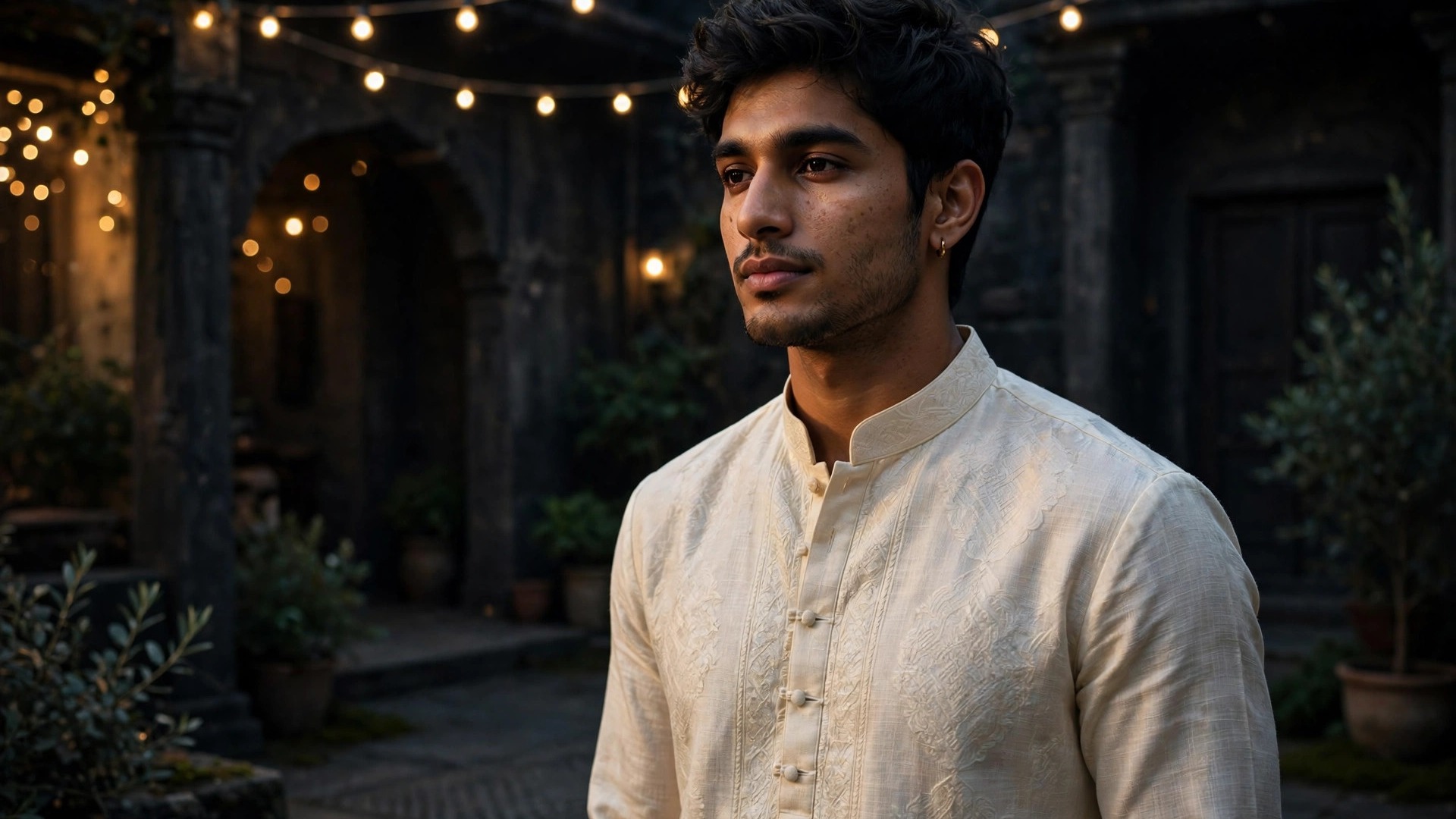
Designer Panjabi for Men in Bangladesh: Eid and Festive Styling Guide
A designer Panjabi for men in Bangladesh is a festive kurta-style garment made for Eid, weddings, and family celebrations, with thoughtful fabric, cut, and detail. SOFTYX offers designer Panjabi styles in jacquard and fine cotton for Eid and festive wear, balancing comfort with a polished look. Choose a breathable fabric, a clean fit, and simple accessories.
Key Facts at a Glance
- A designer Panjabi is a festive version of the classic Panjabi, with refined fabric and detail.
- Jacquard fabric has a woven pattern that adds depth without heavy embroidery.
- Fine cotton is breathable and comfortable for long Eid days in warm weather.
- A good Panjabi fits cleanly at the shoulder and falls straight without pulling.
- Simple accessories, such as a watch and clean sandals, complete a festive look.
- The right Panjabi works for Eid prayers, family visits, weddings, and evening events.
Eid morning has a familiar rhythm in Bangladesh. You wake early, get ready with care, and step out to meet family and friends. What you wear sets the tone for the day. A designer Panjabi for men in Bangladesh is made for that moment. It is comfortable enough for a long day of prayers, visits, and meals, and polished enough for photos that will stay in the family album for years.
It is about better fabric, a cleaner cut, and details that feel considered. Jacquard adds a woven pattern you can see up close. Fine cotton keeps you cool when the day gets warm. A well-cut collar and a straight fall make the garment look neat from every angle. This guide explains how to choose fabric, fit, colour, and styling, so you can enjoy Eid and festive occasions without worrying about your outfit.
What Is a Designer Panjabi?
A designer Panjabi for men in Bangladesh is a Panjabi made with extra attention to fabric, pattern, and finish. The classic Panjabi is a long, loose tunic worn with pajama trousers or chinos. A designer version keeps that familiar shape but upgrades the materials and details. The fabric may have a woven jacquard pattern, a soft sheen, or a fine, smooth texture. The collar may be a neat band collar or a small shirt collar. The buttons may be fabric-covered or finished with care.
The difference is clear when you wear it. A basic Panjabi can look plain in photos, while a designer Panjabi holds its shape and catches light in a subtle way. It does not need heavy embroidery to look special. The design lives in the weave, the cut, and the finish. That restraint is what makes it suitable for both Eid prayers in the morning and a family dinner in the evening.
What Is Jacquard Fabric, and Why Does It Suit a Panjabi?
Jacquard is a fabric with a pattern woven into it, not printed on top. The pattern is created during weaving, so it has texture and depth you can feel. On a Panjabi, jacquard often appears as a small geometric motif, a floral weave, or a tone-on-tone design. From a distance, the Panjabi looks like a solid colour. Up close, the pattern adds richness and interest.
Jacquard suits a Panjabi because it adds festivity without weight. Heavy embroidery can feel warm and stiff, especially on a long Eid day. A jacquard weave stays light and flexible while still looking special. It also photographs well. In daylight and in evening light, the woven pattern catches light differently across the fabric, giving the garment a quiet, premium feel. If you want one Panjabi that looks festive without trying too hard, jacquard is a strong choice.
Is Fine Cotton the Best Fabric for Eid in Bangladesh?
Fine cotton is one of the most practical fabrics for Eid in Bangladesh. It is breathable, soft, and comfortable against the skin. On a warm day, cotton allows air to move and helps sweat dry, so you stay cooler through prayers, visits, and long meals. It also feels familiar and easy to wear, which matters when you will be in the same outfit for many hours.
Fine cotton is not the same as rough or heavy cotton. Fine cotton has a smoother yarn and a cleaner finish, so it drapes better and looks neater. It also takes dye well, so colours look rich and even. For daytime Eid wear, a fine cotton Panjabi is a reliable choice. For evening events, you may prefer jacquard for extra depth, but cotton remains a comfortable and classic option.
How Should a Designer Panjabi Fit?
A good Panjabi fit is relaxed but not shapeless. The shoulder seam should sit at the edge of your shoulder, just like a shirt. The chest and waist should have enough room for comfortable movement, without large folds of extra fabric. When you raise your arms, the Panjabi should move with you, not pull tight across the chest. When you sit, it should fall naturally over your lap.
Length matters too. A classic Panjabi usually falls to the knee or just below it. A shorter length can look modern, but a very short Panjabi loses the graceful fall that defines the garment. The sleeves should reach the wrist bone, with enough room to roll them up neatly if you wish. The collar should sit flat around the neck without gaping. If the collar stands away from the neck, the size or cut may not be right for you.
Jacquard vs Fine Cotton vs Silk Blend: Which Fabric Should You Choose?
Each festive fabric has a different character, and the best choice depends on the time of day and the occasion. Jacquard has woven texture and a festive feel. Fine cotton is breathable and easy to wear all day. A silk blend has shine and drape, but it needs more care and can feel warm. Choosing with the occasion in mind helps you stay comfortable and look right.
| Feature | Jacquard Panjabi | Fine Cotton Panjabi | Silk Blend Panjabi |
|---|---|---|---|
| Look and feel | Woven pattern, rich texture | Smooth, matte, breathable | Soft shine, fluid drape |
| Best occasion | Eid day, weddings, evenings | Eid prayers, daytime visits | Evening receptions, photos |
| Comfort in heat | Good, light weave | Excellent, very breathable | Moderate, can feel warm |
| Care needed | Gentle wash, shade dry | Easy wash and care | Delicate care, dry clean often |
| Styling | Works with simple accessories | Works with almost anything | Best with minimal, elegant styling |
For most men, fine cotton is the best choice for daytime Eid, and jacquard is the best choice for a festive evening or a wedding. You do not need to choose only one fabric for life. Owning one cotton Panjabi for day wear and one jacquard Panjabi for special evenings covers most festive occasions.
Which Colours Work Best for Eid and Festive Panjabi?
Colour sets the mood of a festive outfit. White and cream are timeless for Eid morning. They look fresh, clean, and calm in photos, and they pair with almost any pajama colour. Pastel shades, such as light blue, mint, peach, and lavender, feel soft and modern. They work well in daylight and suit warm weather.
Deeper colours suit evening events. Navy, deep green, maroon, and charcoal add richness and look strong in evening light. Black can look elegant, but it absorbs heat in the sun, so save it for evening gatherings. If you choose a jacquard Panjabi, let the woven pattern do the work. A solid deep colour with a tone-on-tone jacquard pattern looks more refined than a bright colour with a busy print.
Skin tone also matters. If you have a warm skin tone, cream, olive, maroon, and mustard often look good. If you have a cooler skin tone, white, navy, grey, and pastel blue often look good. The best test is simple: try the Panjabi on in natural light and see if your face looks bright and healthy. If the colour washes you out, try a shade lighter or darker.
How to Style a Designer Panjabi for Eid Day
Eid day styling should be simple, clean, and comfortable. Start with a white, cream, or pastel Panjabi in fine cotton or jacquard. Pair it with matching or contrasting pajama trousers in white, cream, or beige. Choose clean sandals or traditional shoes that you can slip on and off easily. A simple watch is enough jewellery for the day.
Keep the focus on the Panjabi. Avoid a heavy shawl or a loud scarf in the daytime heat. If you want a little extra polish, choose a neat hairstyle and a light fragrance. Carry a small prayer cap if you use one, and keep your phone and wallet in a simple pocket or a small bag. The goal is to move easily between prayers, family visits, and meals without adjusting your outfit every hour.
For family photos, stand straight, let the Panjabi fall naturally, and keep your hands relaxed. A Panjabi looks best when it is not pulled or bunched. If you are taking photos outdoors, a light-coloured Panjabi will look bright and fresh, while a darker Panjabi may need softer light to show its detail.
How to Style a Panjabi for Weddings and Evening Events
Evening styling allows a little more richness. Choose a jacquard Panjabi in navy, deep green, or maroon, and pair it with well-fitted pajama trousers or dark chinos. Add a waistcoat or a Nehru jacket for a wedding or a formal reception. The jacket adds structure and makes the outfit feel complete, while the Panjabi underneath keeps it comfortable.
Footwear matters in the evening. Clean leather sandals, loafers, or traditional mojari shoes work well with a festive Panjabi. Avoid trainers or casual slippers for a wedding. Keep accessories minimal: a watch, a simple ring if you wear one, and a neat pocket square only if the jacket has a pocket. Too many accessories can distract from the fabric and cut of the Panjabi.
If the event is outdoors in warm weather, choose a lighter jacquard and skip the jacket until you reach the venue. You can carry the jacket over your arm and put it on for photos and the main event. That way you stay comfortable on the way and still look polished when it matters.
What Should You Wear Under and With a Panjabi?
What you wear under a Panjabi affects comfort more than most people expect. Choose a light, breathable vest or undershirt in white or skin tone. Avoid a dark undershirt under a light Panjabi, as it can show through the fabric. The undershirt should be snug but not tight, and it should not bunch up at the waist.
For bottoms, classic pajama trousers are the most traditional choice. They are loose, comfortable, and match the fall of the Panjabi. Chinos are a modern alternative that works well for younger men and for events where you want a slightly sharper look. Choose chinos in a colour close to the Panjabi, or in a neutral shade such as beige, white, or charcoal. Avoid jeans with a festive Panjabi, as denim changes the tone of the outfit and can look mismatched.
A prayer cap, a light shawl, or a waistcoat can complete the look, but each piece should have a purpose. Add one layer at a time, and check the full outfit in a mirror. If a layer makes you feel warm or restricted, leave it out. Comfort is part of festive style, not separate from it.
How Do You Care for a Designer Panjabi?
A designer Panjabi needs gentle care to keep its fabric and pattern looking fresh. Wash it in cold or lukewarm water with a mild detergent, and avoid harsh bleach. Turn the Panjabi inside out before washing to protect the outer surface and any woven pattern. Wash light and dark colours separately, and avoid overloading the machine, as friction can dull the fabric.
Dry the Panjabi in shade, not in direct harsh sunlight, to protect the colour. Hang it by the body on a wide hanger, or lay it flat to dry. Do not wring it tightly, as that can distort the weave and the collar. If you need to iron it, use a low to medium setting and iron from the inside, especially on jacquard. A steamer is a gentle alternative that can remove creases without pressing the woven pattern flat.
Store the Panjabi folded in a clean, dry place, or hung on a wide hanger with the top button fastened. Keep it away from damp and direct sunlight. If you wear it only for festive occasions, air it out after each wear before you store it. Good care means the same Panjabi can look fresh for many Eids.
What Should You Check Before Buying a Panjabi Online?
Buying a designer Panjabi for men in Bangladesh online is easier when you check a few details first. Start with the fabric. The listing should say whether it is jacquard, fine cotton, or another fabric, and it should describe the feel and weight. If the fabric is not clear, ask the seller before you order. A festive Panjabi should feel light enough for a long day, not heavy or stiff.
Next, check the size guide. Measure a Panjabi you already own that fits well, and compare the chest, shoulder, and length. Pay attention to sleeve length and collar size, as those are harder to fix than body length. Check the photos closely for the collar shape, button style, and pattern scale. A small, even pattern usually looks more refined than a very large, busy pattern.
Finally, check delivery and exchange. Eid shopping has a deadline, so confirm the delivery time for your district. A clear 7-day exchange policy gives you room to swap the size if needed. Order early, try the Panjabi on as soon as it arrives, and keep the tags on until you are sure the fit is right.
Common Panjabi Styling Mistakes to Avoid
The most common mistake is choosing a Panjabi that is too tight. A tight Panjabi pulls at the buttons, restricts movement, and loses the graceful fall that makes the garment look good. Choose a size that gives you room to sit, walk, and raise your arms comfortably. The second mistake is choosing a fabric that is too heavy for the weather. A thick, shiny fabric may look good in a shop, but it can feel hot and uncomfortable after an hour outdoors.
Another mistake is over-accessorising. A Panjabi with heavy embroidery, a loud shawl, bright shoes, and many accessories can look busy. Let one element lead: the fabric, the colour, or a single layer such as a waistcoat. Keep the rest simple. Wearing a Panjabi with trainers or very casual sandals also weakens the look. Choose clean, traditional footwear that matches the occasion.
Finally, avoid wearing a wrinkled Panjabi to an important event. A quick steam or a gentle iron makes a large difference. The fabric should fall straight, the collar should sit flat, and the placket should lie clean. Those small details are what separate a neat festive look from a rushed one.
How to Choose One Panjabi for Eid: A Simple Step-by-Step Guide
Choosing a designer Panjabi for men in Bangladesh does not need to be stressful. Follow these steps in order, and you will end up with a choice you feel good about.
- Pick the occasion first. Decide if the Panjabi is mainly for Eid prayers, a family dinner, or a wedding. Daytime Eid suits fine cotton, while evening events suit jacquard.
- Choose the fabric next. Pick fine cotton for comfort and breathability, or jacquard for woven texture and festive depth.
- Choose a colour that suits you. Try white, cream, or a pastel for daytime, and navy, maroon, or deep green for evenings.
- Check the fit. Compare your measurements with the size guide, and focus on shoulder, chest, length, and sleeve.
- Plan the bottoms and shoes. Pair the Panjabi with matching pajamas or neutral chinos and clean sandals or traditional shoes.
- Order early and try it on. Try the Panjabi as soon as it arrives, check the fit in natural light, and use the exchange window if needed.
This simple process saves time and avoids last-minute stress. It also helps you buy a Panjabi you will actually wear, not one that stays in the wardrobe.
How SOFTYX Approaches the Designer Panjabi
SOFTYX is a men's streetwear brand from Sylhet, Bangladesh, founded in 2026 by Samir Qureshi, Founder & Creative Director. The brand makes designer Panjabi styles in jacquard and fine cotton for Eid and festive occasions, with a focus on comfort, clean cut, and wearable design. The Panjabi is made for men aged 18 to 35 who want festive style that feels modern and easy to wear, not heavy or over-decorated.
The designer Panjabi pairs naturally with other SOFTYX pieces for a complete festive wardrobe. For cooler evenings, you can layer it under a 360 GSM heavyweight winter hoodie in a relaxed setting, though for formal Eid and wedding occasions the Panjabi is best worn on its own or with a waistcoat. The heavyweight hoodie uses 360 GSM brushed organic fleece, a double-layer hood, a kangaroo pocket, and ribbed cuffs, so it is a practical layer for casual winter days.
If you want to preview a festive look before you order, the SOFTYX AI Virtual Try-On at https://softyx.shop/universal-tryon can help you see how a style might suit you. Delivery is 1–2 days in Sylhet, 2–3 days in Dhaka, and 3–5 days across all 64 districts, with Cash on Delivery, bKash, and digital payments. There is also a 7-day exchange, so you can swap the size if the fit is not right, and international delivery is available for customers in the USA, UK, Canada, Europe, and the UAE.
Your Next Step
A designer Panjabi is more than a festive outfit. It is part of how you show up for family, friends, and community on the days that matter most. Choose a fabric that keeps you comfortable, a colour that suits you, and a fit that lets you move freely. Keep the styling simple, care for the garment gently, and order early so you have time to try it on.
Explore the festive range and try the look first at softyx.shop, and preview your fit with the AI Virtual Try-On. For questions or an order, you can also reach SOFTYX on WhatsApp at +8801725198663 or on Instagram at instagram.com/softyxwear.
Frequently Asked Questions
What is a designer Panjabi for men in Bangladesh?
A designer Panjabi for men in Bangladesh is a festive Panjabi made with refined fabric, cut, and detail for Eid, weddings, and celebrations. It often uses jacquard or fine cotton, with a clean collar and a straight fall. It keeps the classic Panjabi shape while looking more polished.
Is jacquard Panjabi good for Eid?
Yes, jacquard Panjabi is good for Eid because the woven pattern adds festive depth without heavy embroidery. It looks rich up close, photographs well, and stays light and flexible. It works especially well for Eid evenings, family dinners, and wedding events.
Is fine cotton Panjabi comfortable in hot weather?
Yes, fine cotton Panjabi is comfortable in hot weather because cotton is breathable and soft against the skin. It allows air to move and helps you stay cooler during long Eid days. Choose a light colour and a relaxed fit for the best comfort in warm weather.
How should a Panjabi fit for Eid?
A Panjabi should fit cleanly at the shoulder, with room across the chest and waist for easy movement. It should fall to the knee or just below, and the sleeves should reach the wrist. The collar should sit flat, and the garment should not pull when you sit or raise your arms.
What should I wear with a designer Panjabi?
Wear a designer Panjabi with matching pajama trousers or neutral chinos, clean sandals or traditional shoes, and a simple watch. Add a waistcoat or Nehru jacket for weddings and formal evenings. Keep accessories minimal so the fabric and cut remain the focus.
When should I order a Panjabi for Eid?
Order your Panjabi early, at least one to two weeks before Eid if possible. That gives time for delivery, trying it on, and using the exchange window if the size is not right. Check the delivery time for your district before you order, and try it on as soon as it arrives.
Final Thoughts
A designer Panjabi works best when it feels effortless. The fabric should be comfortable, the colour should suit you, and the fit should let you enjoy the day without thinking about your clothes. Jacquard adds festive texture, fine cotton adds all-day comfort, and a clean cut ties the look together. You do not need heavy decoration to look special on Eid.
Choose one Panjabi that fits your main occasion, style it simply, and wear it with confidence. The best festive outfits are the ones you forget you are wearing, because you are busy enjoying the people around you. That is the real test of a good Panjabi, and it is worth choosing with care.